Inside the Glamour: How Casino Architecture and Interior Design Shape the UK Gaming Experience
The Theatre of Chance: Why Casino Design Matters
Step into any high-end casino and you’re immediately enveloped by an atmosphere that feels both electric and opulent. But that feeling isn’t accidental. Casino architecture and interior design are carefully orchestrated to guide your journey, heighten anticipation, and keep you engaged. In the UK, where gaming venues range from historic listed buildings to sleek modern complexes, design plays a pivotal role in defining the experience.
From the moment you approach the entrance, architects use sightlines, lighting, and spatial sequencing to draw you in. The best designs balance excitement with comfort, creating a world that feels separate from everyday life.
The Psychology of Layout: Flow, Focus, and Fortune
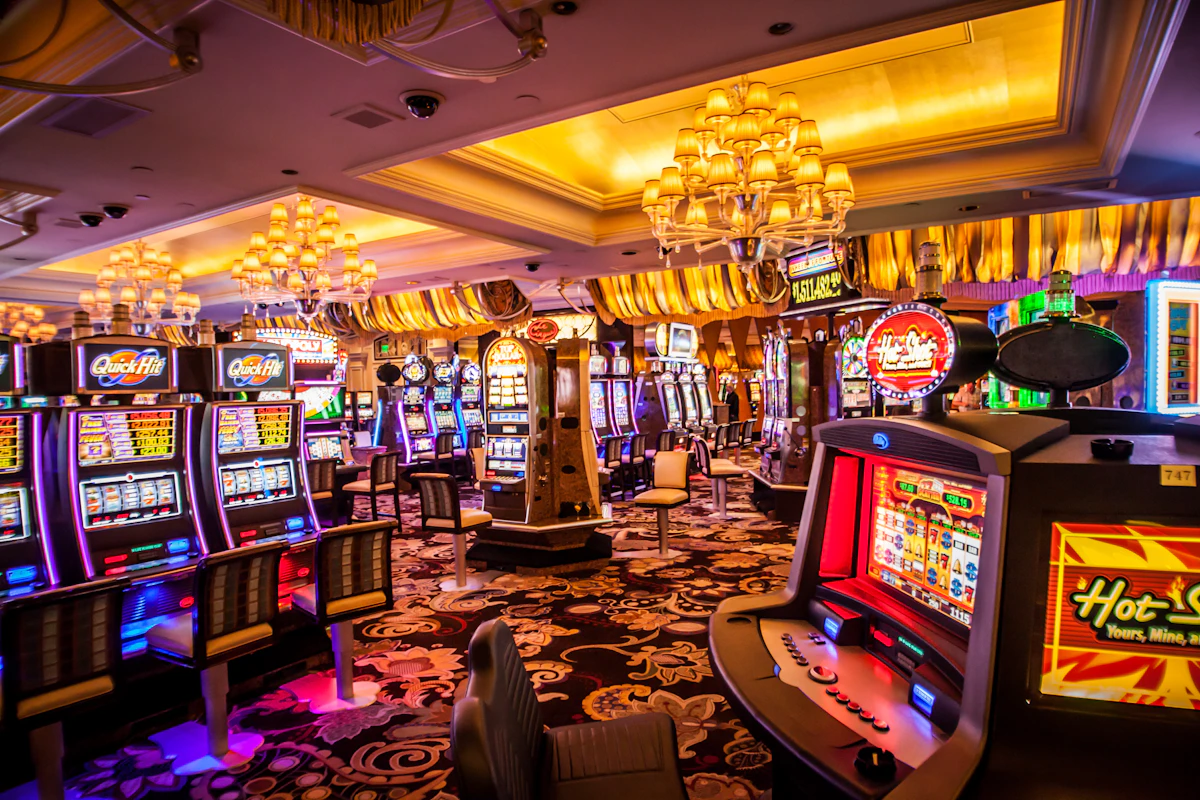
Casino floors are masterclasses in environmental psychology. The layout is rarely random; it’s engineered to encourage exploration while keeping key areas—like high-limit tables or cashiers—within easy reach. Wide, curving pathways prevent bottlenecks, while clusters of slot machines create intimate pockets of play.
Ceilings often feature mirrored or coffered designs to amplify space and reflection. Carpets are typically bold and patterned, not just for aesthetics but to mask wear and guide foot traffic. Lighting is layered: bright around gaming positions to maintain alertness, softer in circulation zones to promote relaxation.
Materials That Speak of Luxury
Luxury casinos spare no expense on finishes. Marble, brass, velvet, and bespoke joinery are standard. In the UK, heritage venues often blend original architectural features—think ornate plasterwork or stained glass—with contemporary interventions. The result is a dialogue between past and present that feels both respectful and thrilling.
Colour palettes tend to favour deep reds, golds, and blacks, colours historically associated with wealth and risk. Yet modern designers are increasingly experimenting with lighter, airier schemes to attract a younger, more casual crowd.
Case Study: The Hippodrome Casino, London
Few UK venues illustrate the power of design better than the hippodrome casino in London’s West End. Originally a variety theatre opened in 1900, the building underwent a major transformation to become a casino while retaining its historic soul. Architects preserved the iconic façade and restored interior details, then inserted modern gaming floors across multiple levels.
The result is a venue where you can play blackjack beneath original balconies or enjoy a cocktail in a space that once hosted Charlie Chaplin. The design respects the building’s heritage while delivering the comfort and functionality today’s players expect. It’s a prime example of adaptive reuse in casino architecture.
Key Design Elements Across UK Casinos
- Entrances and thresholds: Grand porte-cochères, revolving doors, and dramatic lighting create a sense of arrival.
- Zoning: Clear separation between slots, table games, poker rooms, restaurants, and bars helps guests navigate without feeling overwhelmed.
- Acoustics: Soundproofing and strategic speaker placement keep the buzz lively but not deafening.
- Comfort: Ergonomic seating, adequate legroom, and accessible facilities are essential for longer sessions.
- Theming: From Art Deco to oriental motifs, themes give each venue a distinct identity.
Lighting and Technology: The Silent Influencers
Lighting design in casinos is an art form. It highlights gaming tables, creates sparkle on slot machines, and subtly directs you toward exits or attractions. LED systems allow venues to change moods instantly—brighter for daytime casual play, dimmer and more intimate for evening high rollers.
Technology also extends to air quality, temperature control, and even scent diffusion. Some casinos use signature fragrances to enhance brand recall. All these elements work together to keep you comfortable and immersed.
Sustainability and the Future of Casino Design
UK casinos are increasingly embracing sustainable design. Energy-efficient lighting, recycled materials, and green building certifications are becoming selling points. At the same time, the rise of cashless gaming and digital interfaces means designers must integrate technology seamlessly without cluttering the aesthetic.
Looking ahead, expect more flexible spaces that can shift from gaming floor to event venue, and a continued emphasis on wellness—better ventilation, natural light where possible, and quiet zones for respite.
Conclusion: Design as a Destination
Casino architecture and interior design are far more than decoration. They shape behaviour, elevate mood, and create memorable experiences. Whether you’re visiting a historic London landmark or a contemporary gaming hub, the best designs transport you. Next time you walk into a casino, take a moment to notice the ceiling, the carpet, the lighting—and appreciate the craft behind the thrill.